📺

Physical Computing

Weekly Activity Template

Millicent [Millie] Dayaram


Module 1


Activity Research

Research on how various digital and physical components, such as micro-controllers, Protopie, and TouchDesigner, can be combined to create an interactive experience in physical computing.

Activity 1
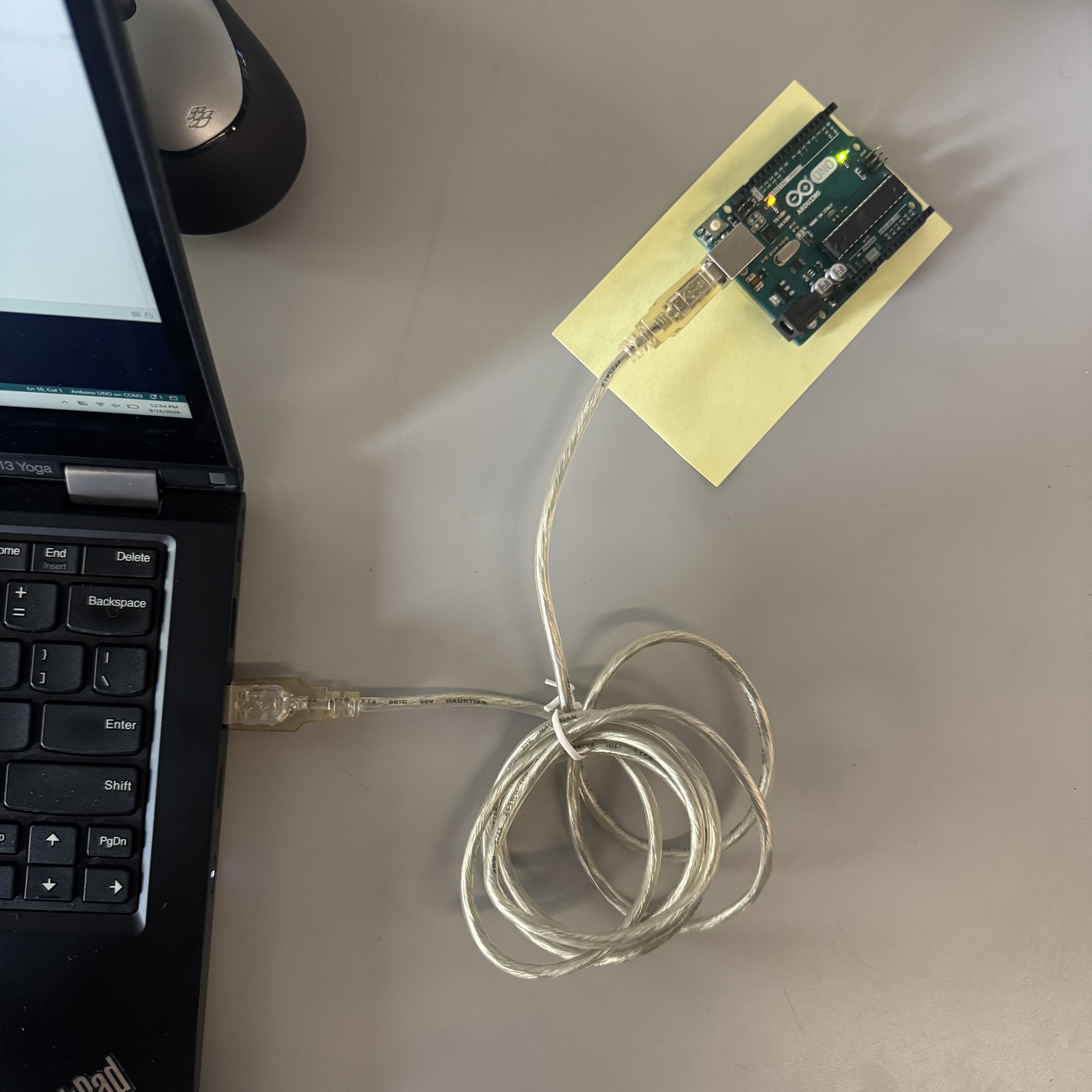
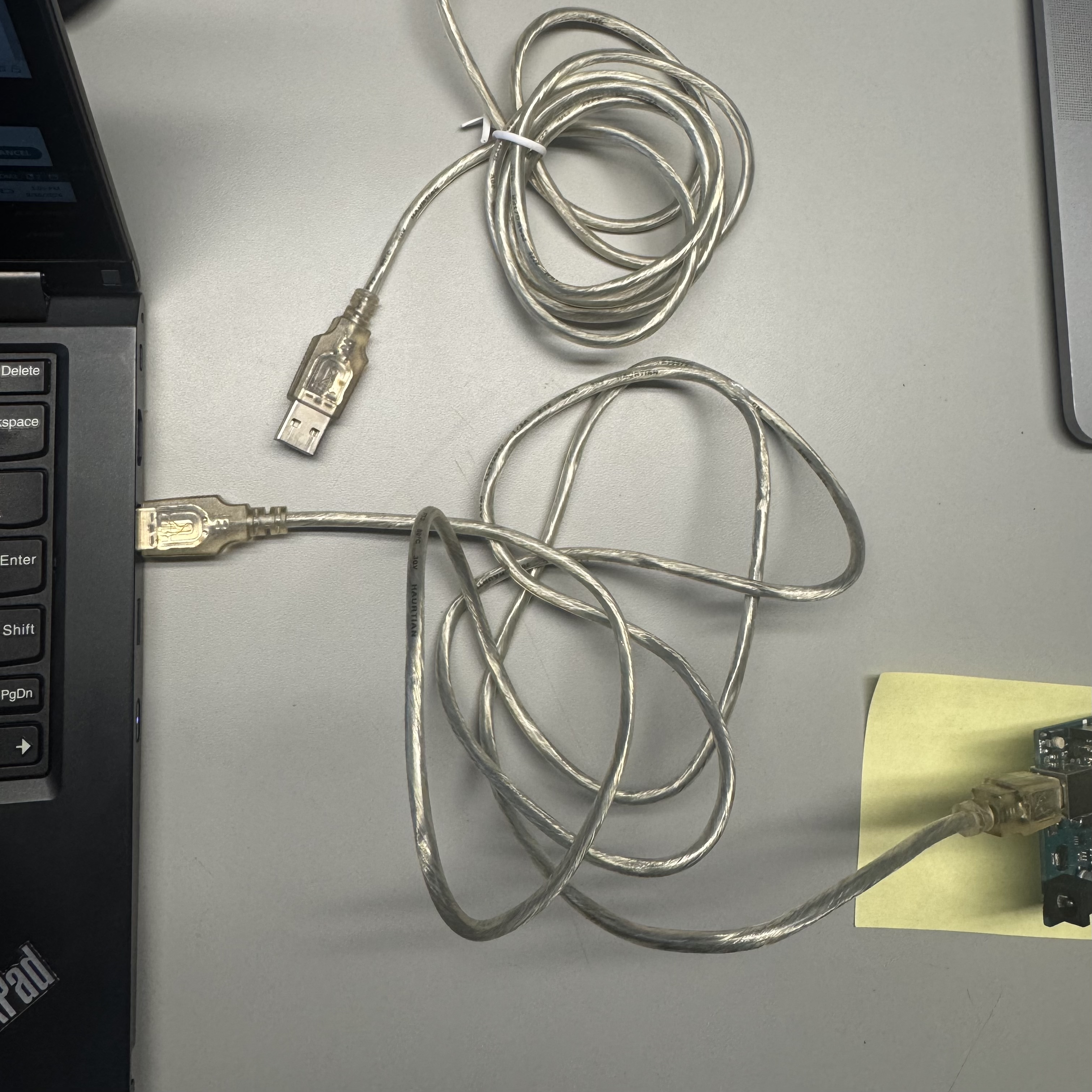
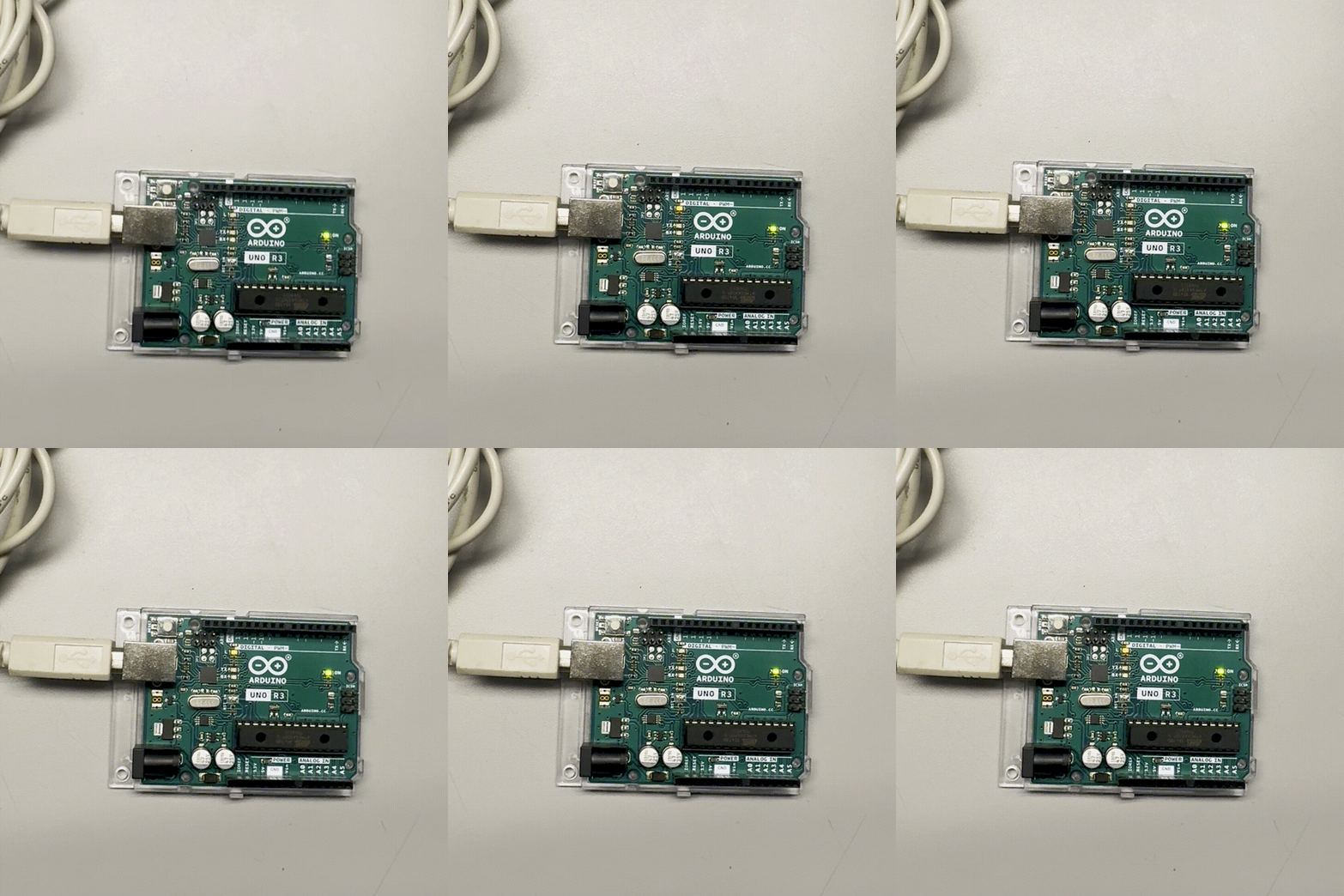
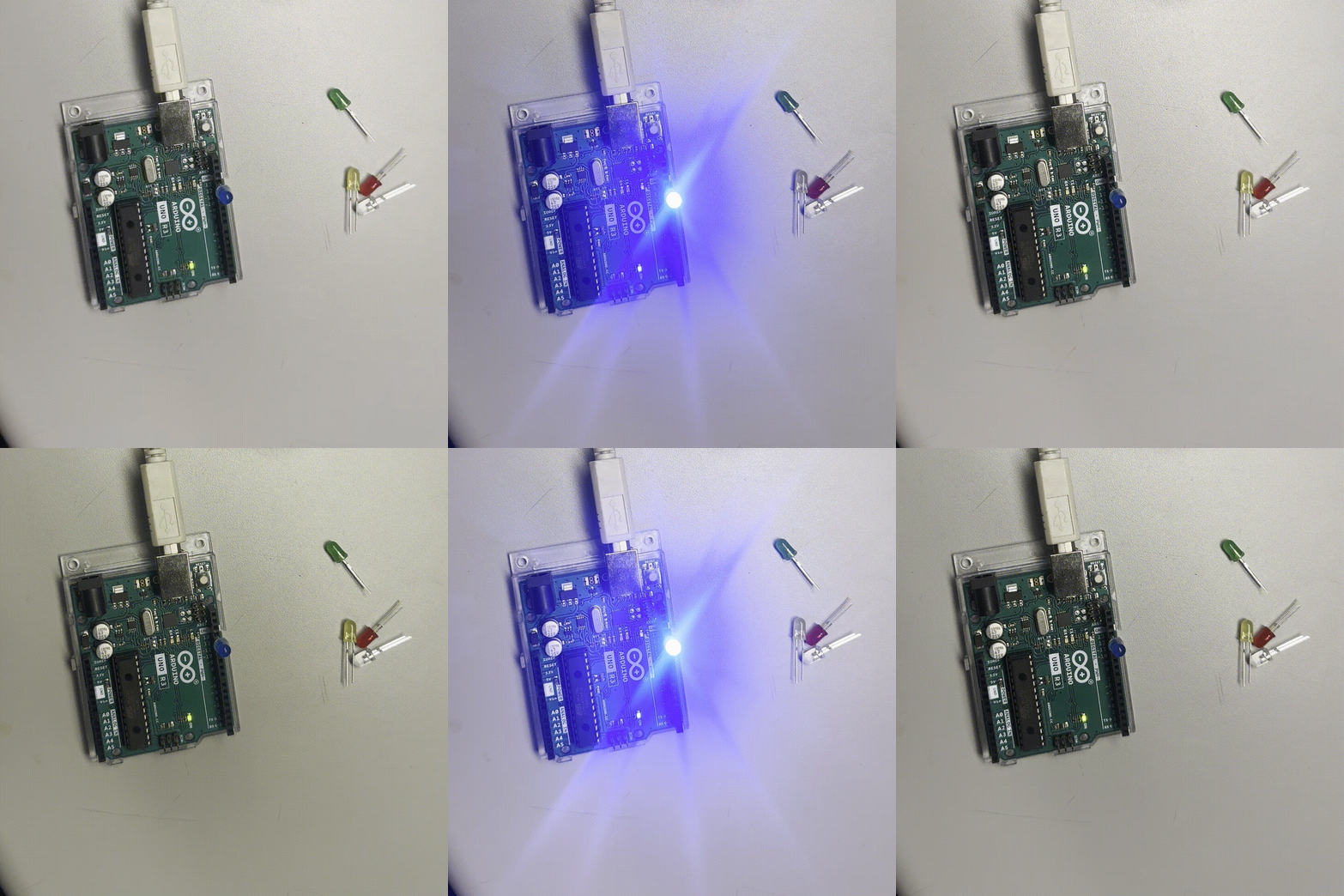
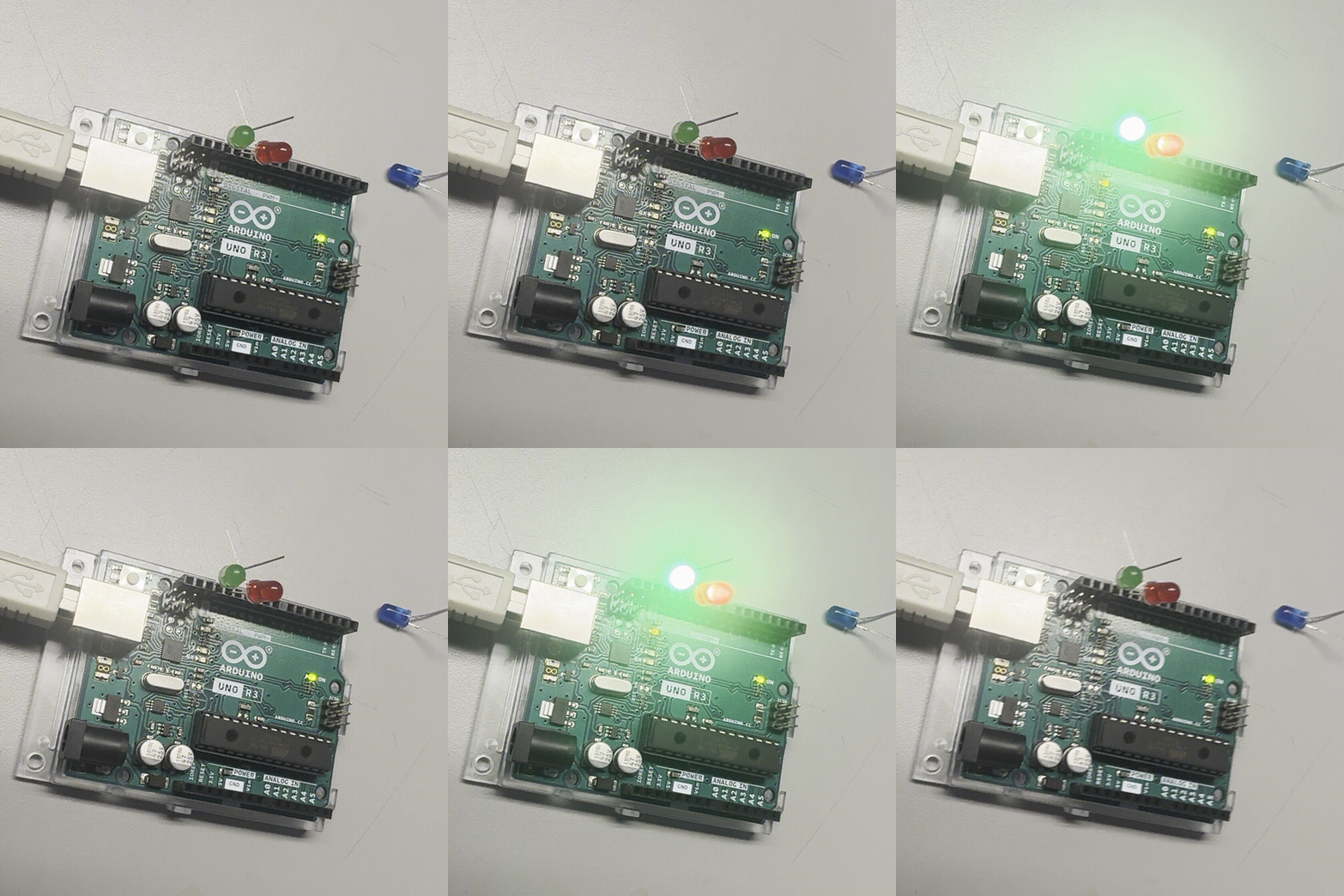
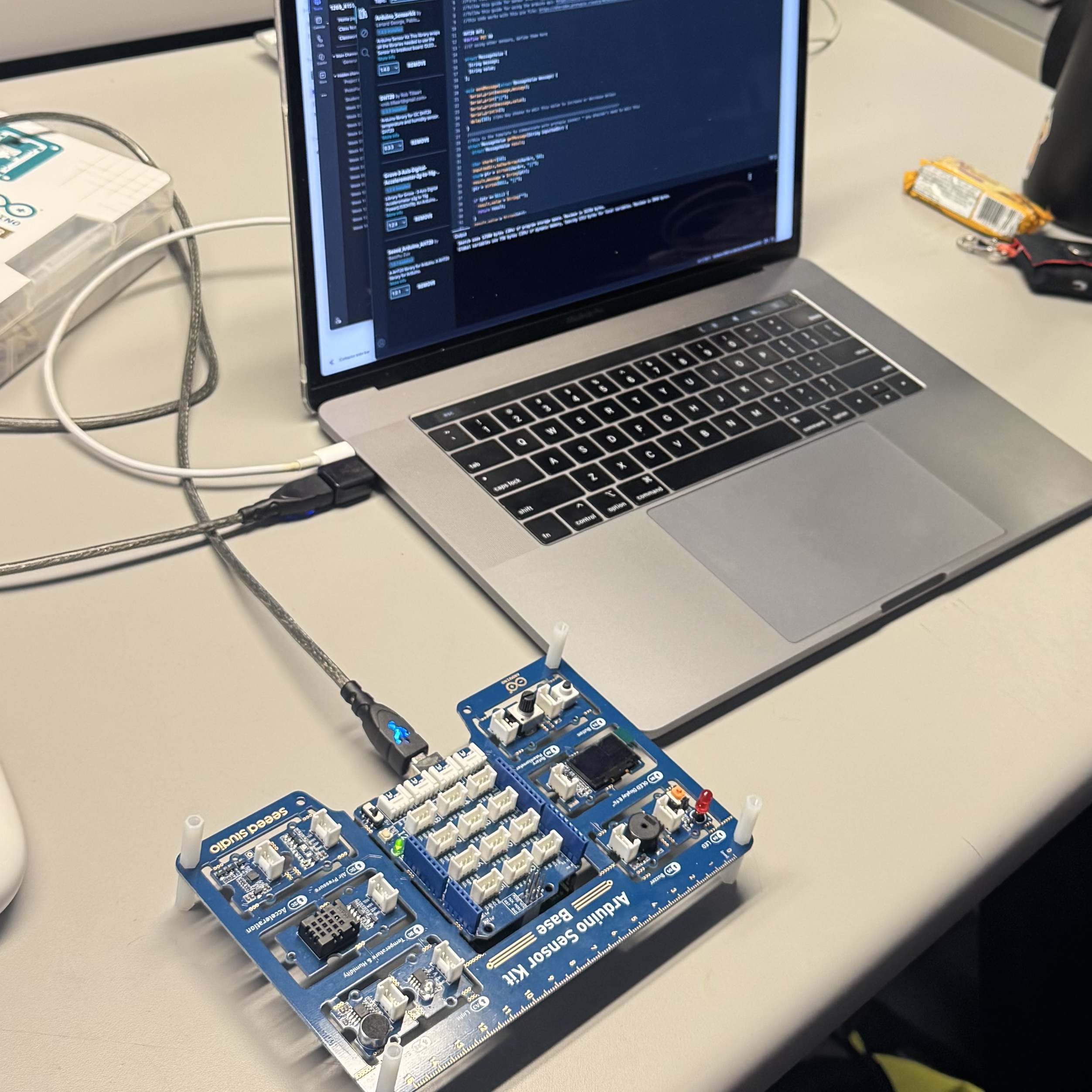
Running 'Basic mode' code on the Arduino which is confirmed by the constant yellow/orange light. <a href='https://www.youtube.com/embed/tgbNymZ7vqY' target='_blank'><p>Project Video Link</p></a> The Aruduino was not connecting to the computer so we tried two other cords and ended up switching the Arduino out for a newer model, which solved the problem. <div class='container'><iframe class='responsive-iframe' src='https://www.youtube.com/embed/tgbNymZ7vqY'></iframe></div> Running the 'Blink' code caused the orange light to start blinking. Adding an LED light by inserting the long metal leg into spot 13 and the shorter leg into GND [ground]. When the 'Blink' code was uploaded, the light would blink Adding two lights. The long leg of one LED was in spot 13, while the shorter leg of the other light was in GND. Each of their free legs was bent out and touching each other, closing the circuit and causing both lights to blink at the same time. We noticed that the light attached to GND was less bright than the light in spot 13. We also tried to add a third light just by touching it against the metal, but it didn't work.

Activity 2

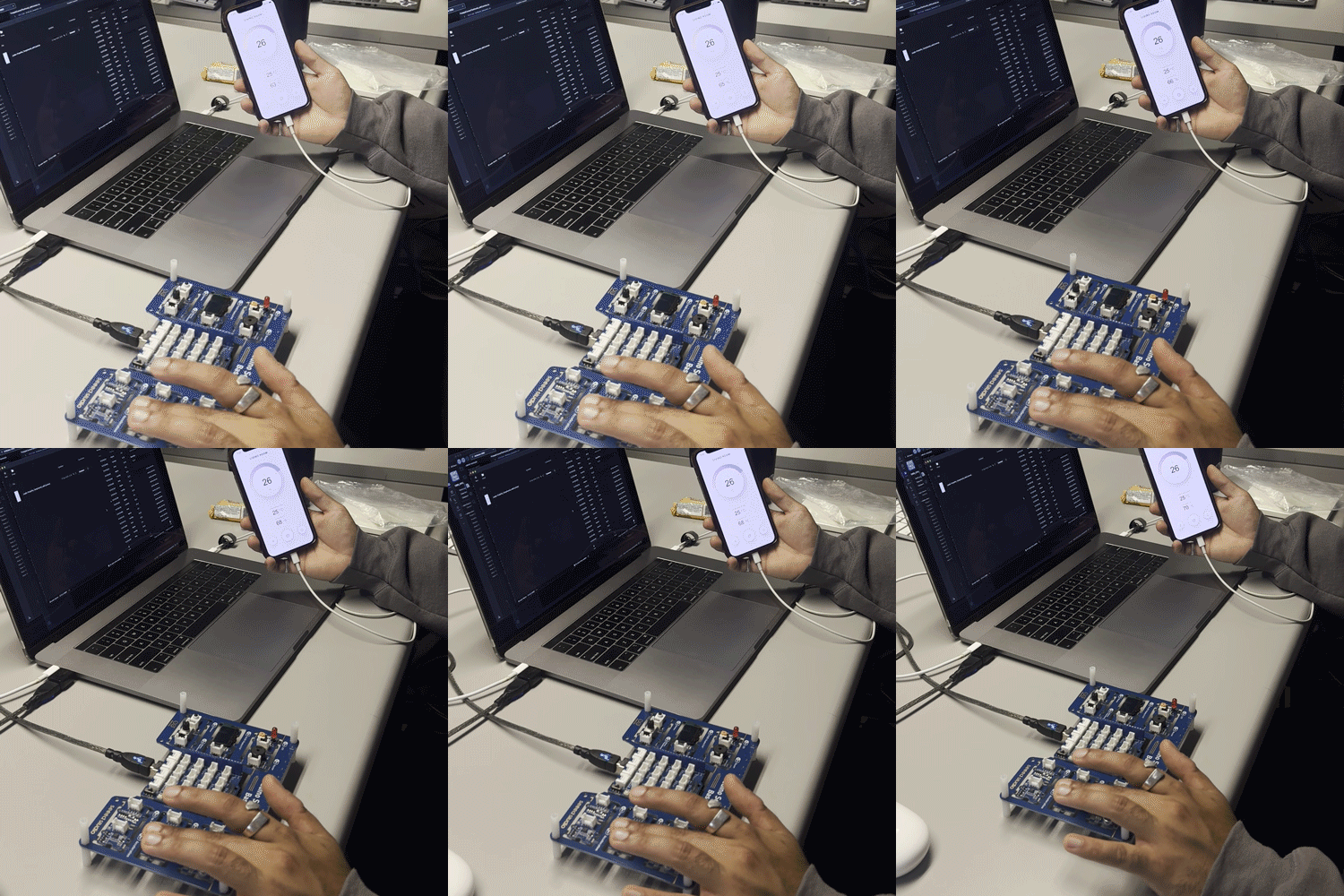
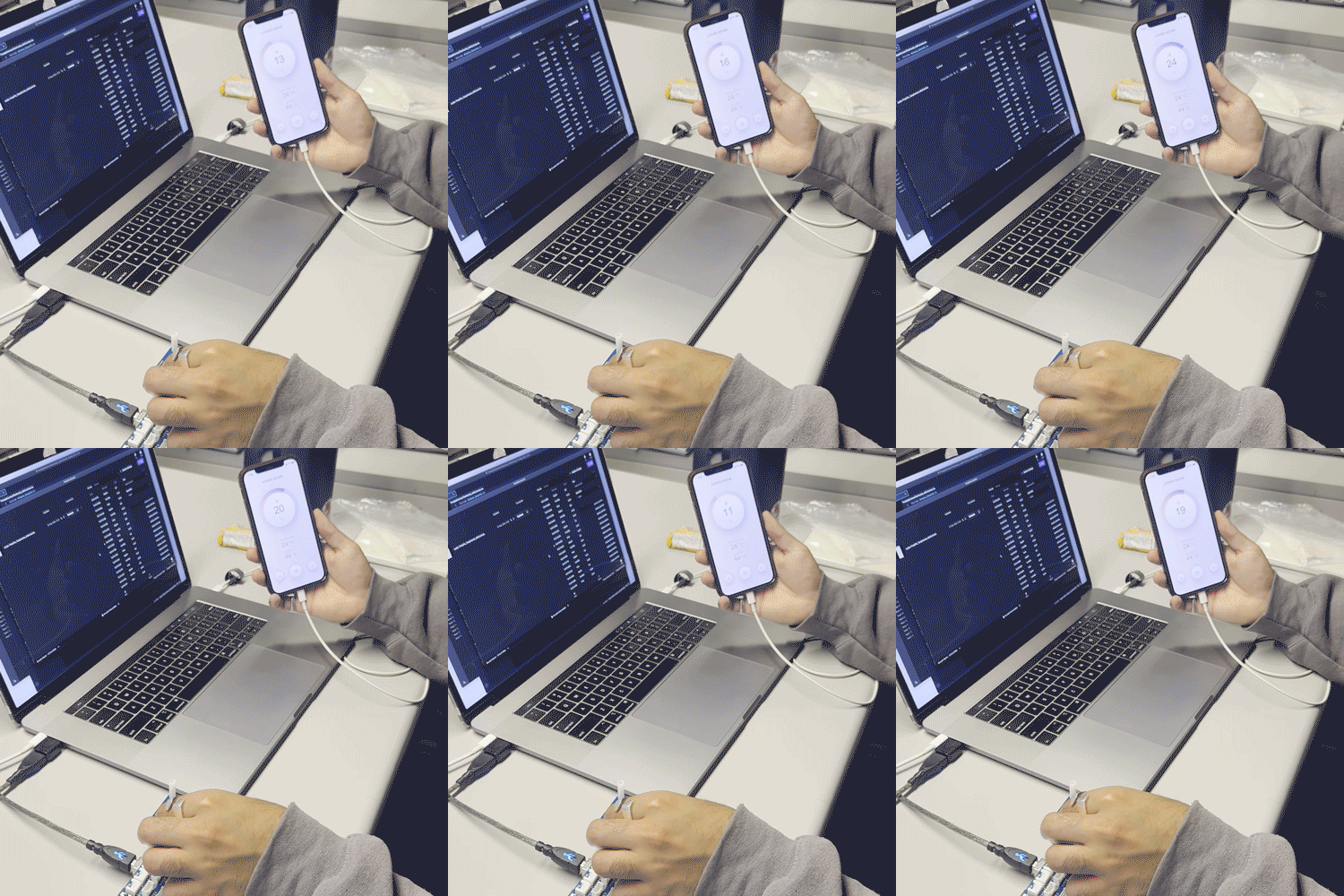
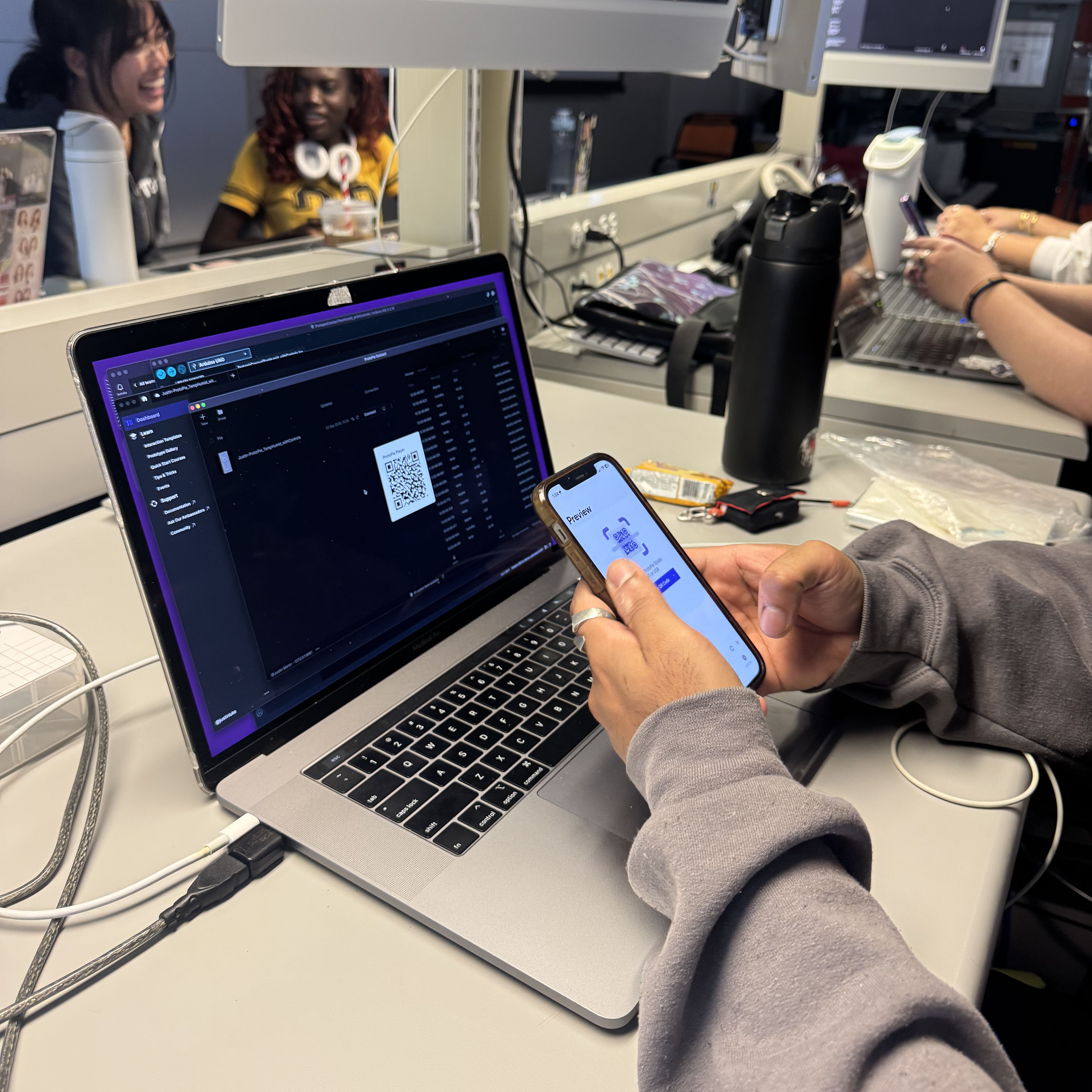
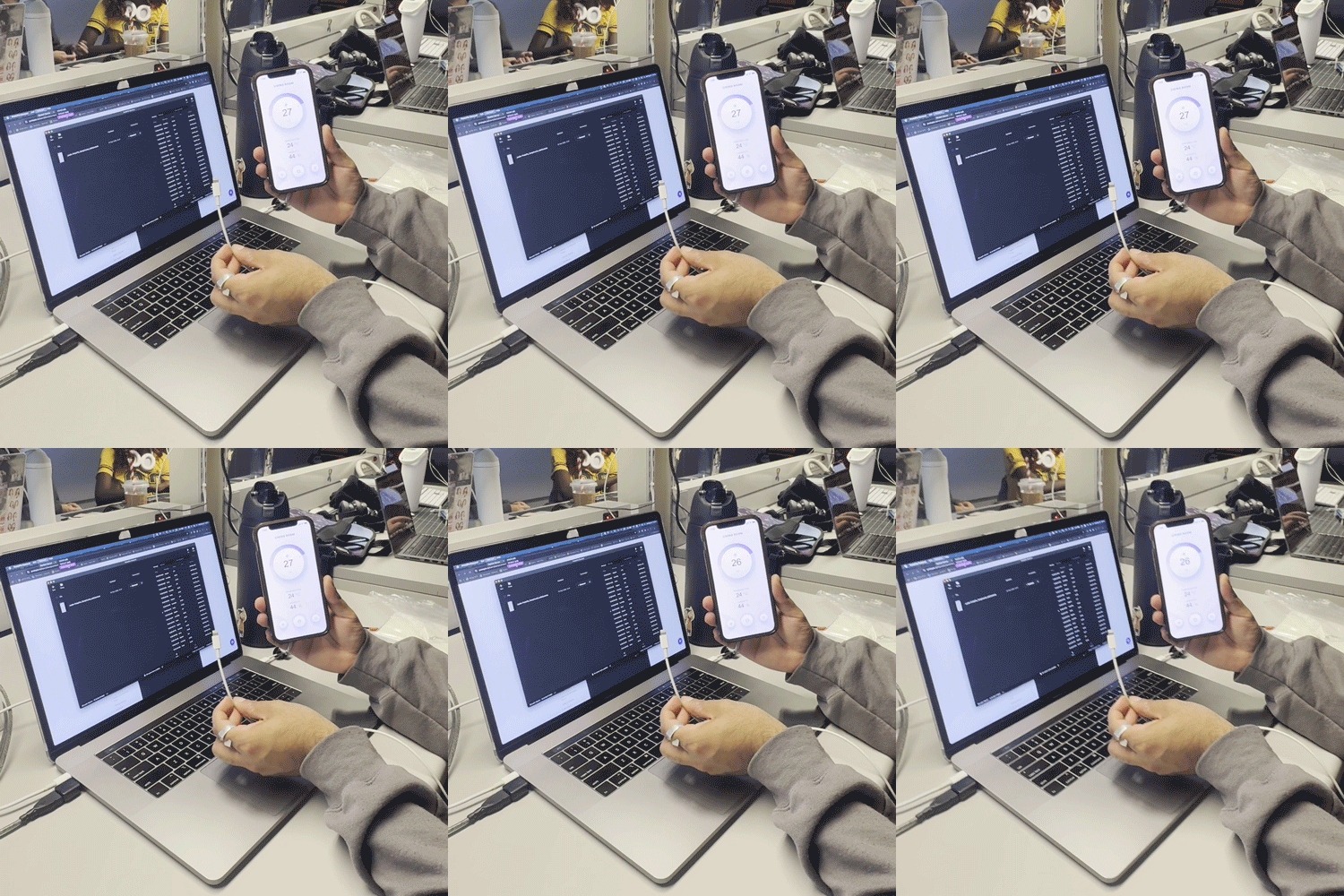
Setup for testing the Arduino with protopie. To operate the protopie prototype on the phone, we had to download protopie player to operate the code. The phone also had to be connected to the computer via USB. When hovering over the sensor with our fingers, the humidity sensor changed. Changing the temperature setting with the dial. The next challenge was to get the protopie prototype to work on the phone without being connected to the computer. We tried researching how to do it ourselves, but Steve gave us the answer when he came around :p

Activity 3

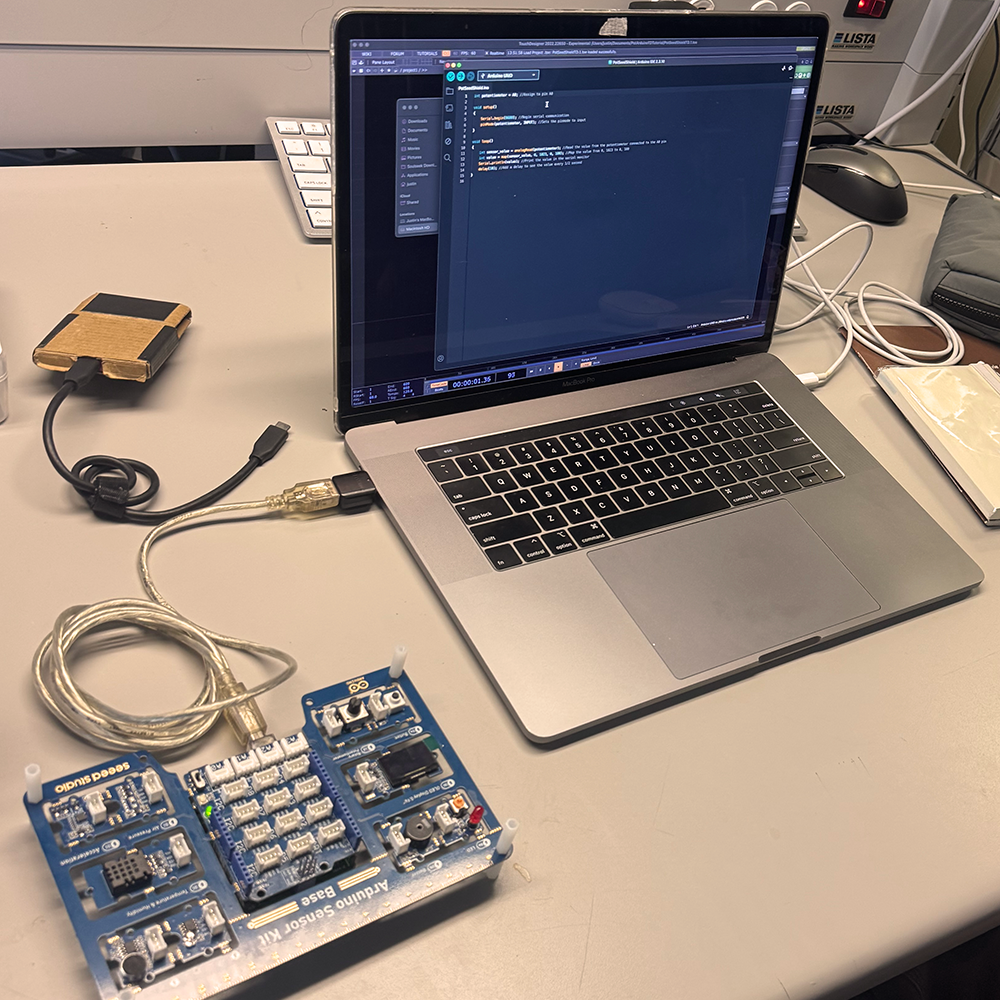
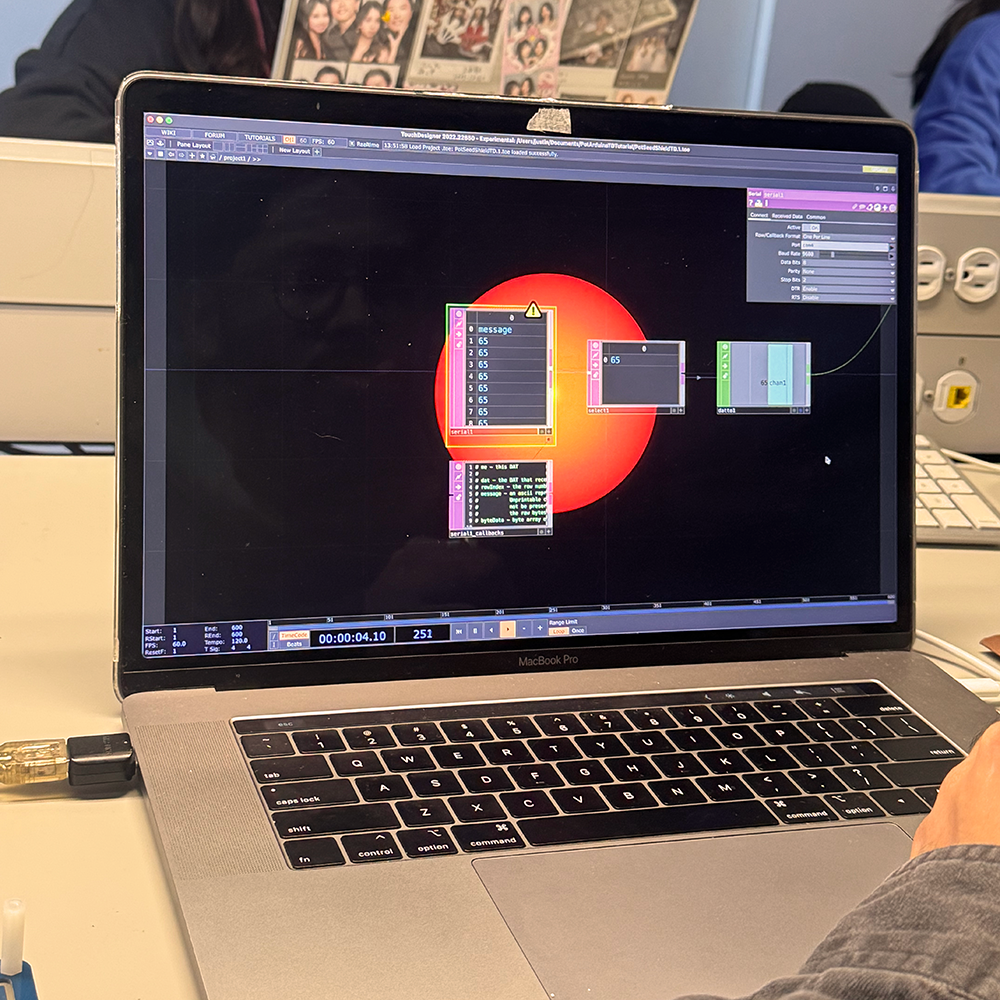
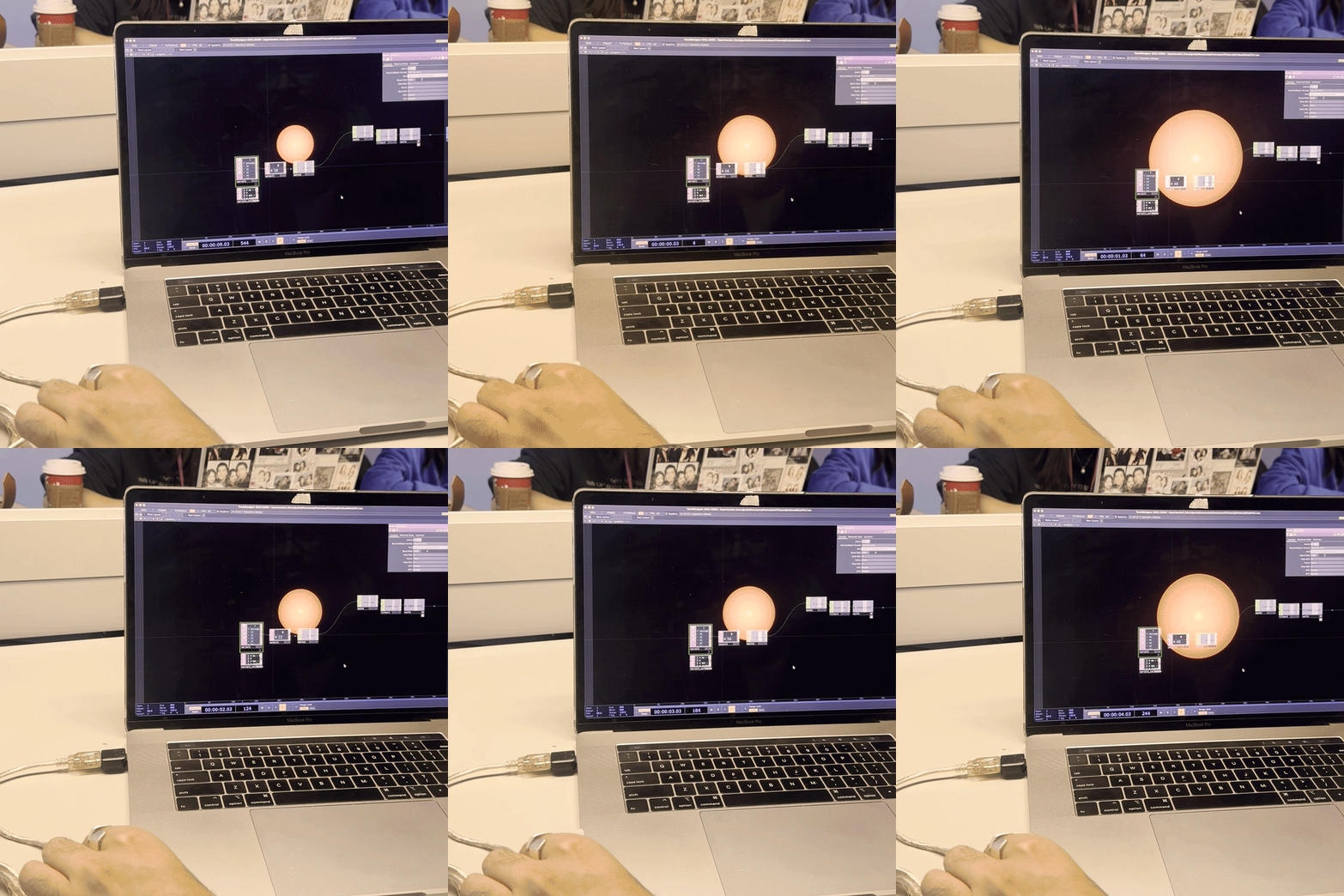
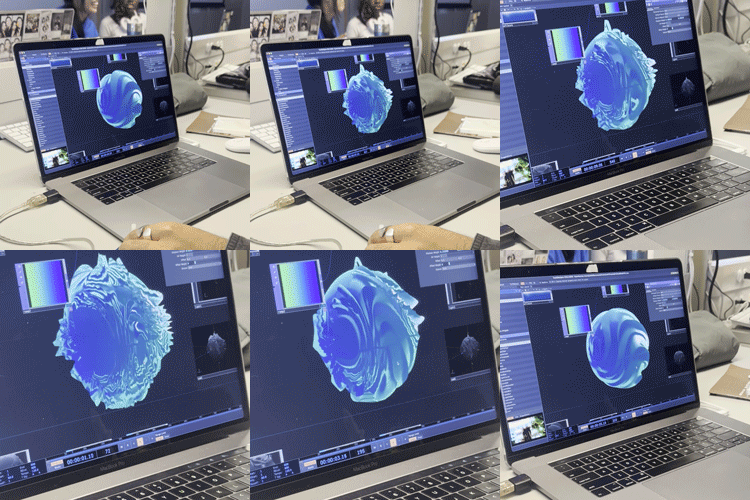
Setting up the Arduino to work with TouchDesigner. Setting up TouchDesigner. It works! The TouchDesigner interface is responding to the Arduino input. Creating a black blob out of the orb. It becomes more spiky when turning the nob clockwise. Exploring colour and textures.

Research Activity


Consumer Trend Research

Researching how people have used interactive art installations to transform spaces.
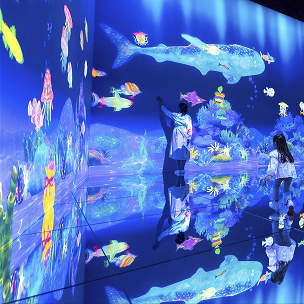
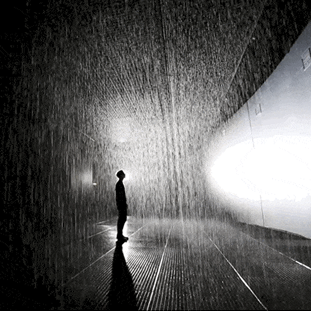
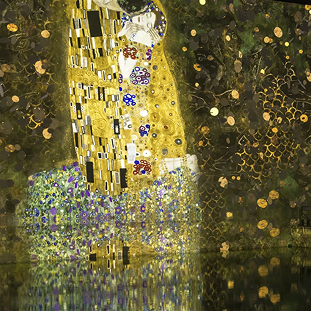
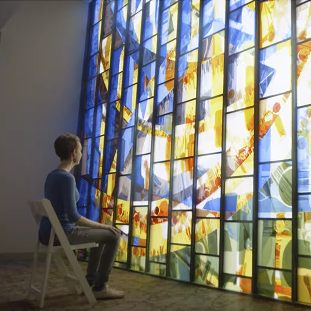
Guests are provided with colouring sheets where they can colour in a sea creature. The completed sheets are then scanned and inserted into the installment. The fish will move away if touched, or will come close if you touch a food bag. Sometimes, the fish will leave the installment entirely transcending boundary between art and reality. Found at: https://www.teamlab.art/ew/sketchocean-azabudai/tokyo/ Water pours from the ceiling. Cameras track people moving through installation and stop the water falling around the person, so that they stay completely dry while walking through pouring rain. Connects ideas between human perception, nature and digital technology. Experience described as ‘uncanny’. Found at: https://interactiveimmersive.io/blog/interactive-media/interactive-art-examples/ Art instillation occupies former WWII submarine base in Bordeaux, France. Walls are 12 meters high. Art reflects off water basins. 13,000 square metersof projection surface. Contemplative experience created through maritime history, monumental architectrure, and digital art. Found at: https://www.utsubo.com/blog/interactive-installation-ideas-museums

Personas Research

Researching how interactive art instillations can be combined with health care.
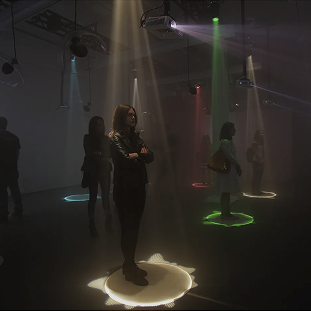
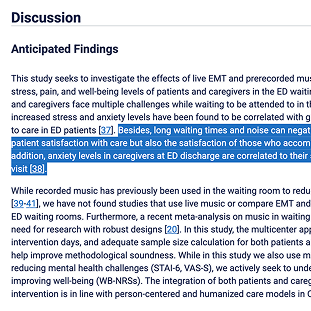
Instillation created for the Schizophrenia and Related Disorders Alliance of America (SARDAA) to bring awareness to those affected by schizophrenia-related illnesses. People move throughout the room and spotlighted in certain areas. When the spotlight is on them, a clip starts playing in front of them of a person to share their story. Up to eight voices can be heard at a time, but speakers are directional and designed to not trigger an episode of anyone who might be walking through. Hearing multiple voices is reminiscent of the experiencing auditory hallucinations. Found at: https://www.utsubo.com/blog/interactive-installation-ideas-museums By engaging in some form of art, it can lower a patient’s anxiety by as much as 25%. what we think and how we feel emotionally impacts how our body heals. Boosts immune system, calms nervous system. Found at: https://www.youtube.com/watch?v=gwxgZ-bQBWg Effect of live environment in the ER. Found at: https://www.researchprotocols.org/2025/1/e69131

HMW Research

HMW create an interactive instillation in a hospital waiting room to reduce anxiety and improve coping skills for patients and their families?
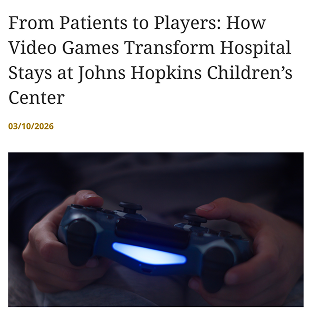
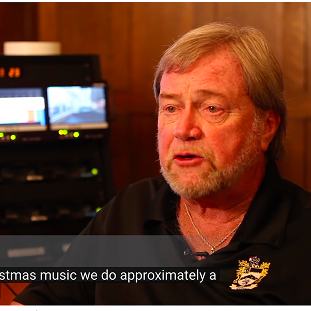
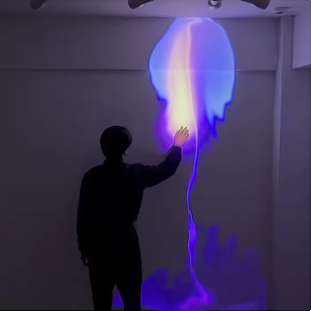
At Johns Hopkins, they've given pediatric patients access to video games to reduce anxiety and improving coping skills to improve the healing process. Found at: https://www.hopkinsmedicine.org/news/newsroom/news-releases/2026/03/from-patients-to-players-how-video-games-transform-hospital-stays-at-johns-hopkins-childrens-center Chip Davis creates sounds from nature that are used in OR waiting rooms and operating rooms. Patient's anxiety, blood pressure and heart rate, were lower before and after surgery after listening to these sounds. Found at: https://www.youtube.com/watch?v=J2qjZY5u7Uc&t=2s YouTube video by Alvie Starr. Interacting with fluid blob. Individual can push it up or down and it will react with edge of screen. Found at: https://www.youtube.com/watch?v=PaJhKxqBh9o

Project Path

We've decided to pursue an art path as we are making an art instillation.
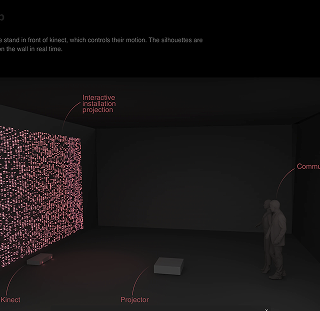
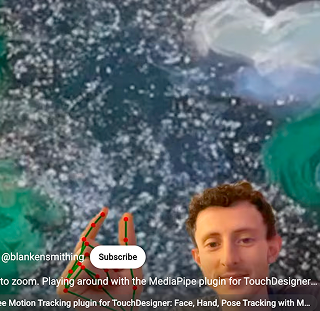
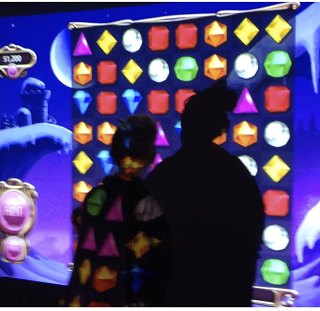
Kinect placement for interactive wall installation. Found at: https://www.behance.net/gallery/89921413/Interactive-TouchDesigner-Kinect-Project YouTube video showing how users can control TouchDesigner components using media pipe. Found at: https://www.youtube.com/shorts/Wkd1YZOeAUw?feature=share Interactive bejeweled blitz made with TouchDesigner and Microsoft Kinect. Found at: https://www.youtube.com/watch?v=SpZTE0Qkp4Q

Project 1 Concept


Project 1 Concept

For this project, we will create an interactive wall installation for use in a hospital waiting room using Touch Designer and Microsoft Kinect. The installation will be designed to reduce anxiety and improve coping skills for patients and their families. Similar to the example below, individuals will be able to control the screen by moving their hands on different parts of the 'screen'. As they navigate throughout the experience, different nature sounds will emerge (ex. birds singing, water, air). By using a nature scene, the installation will create a calming environment.
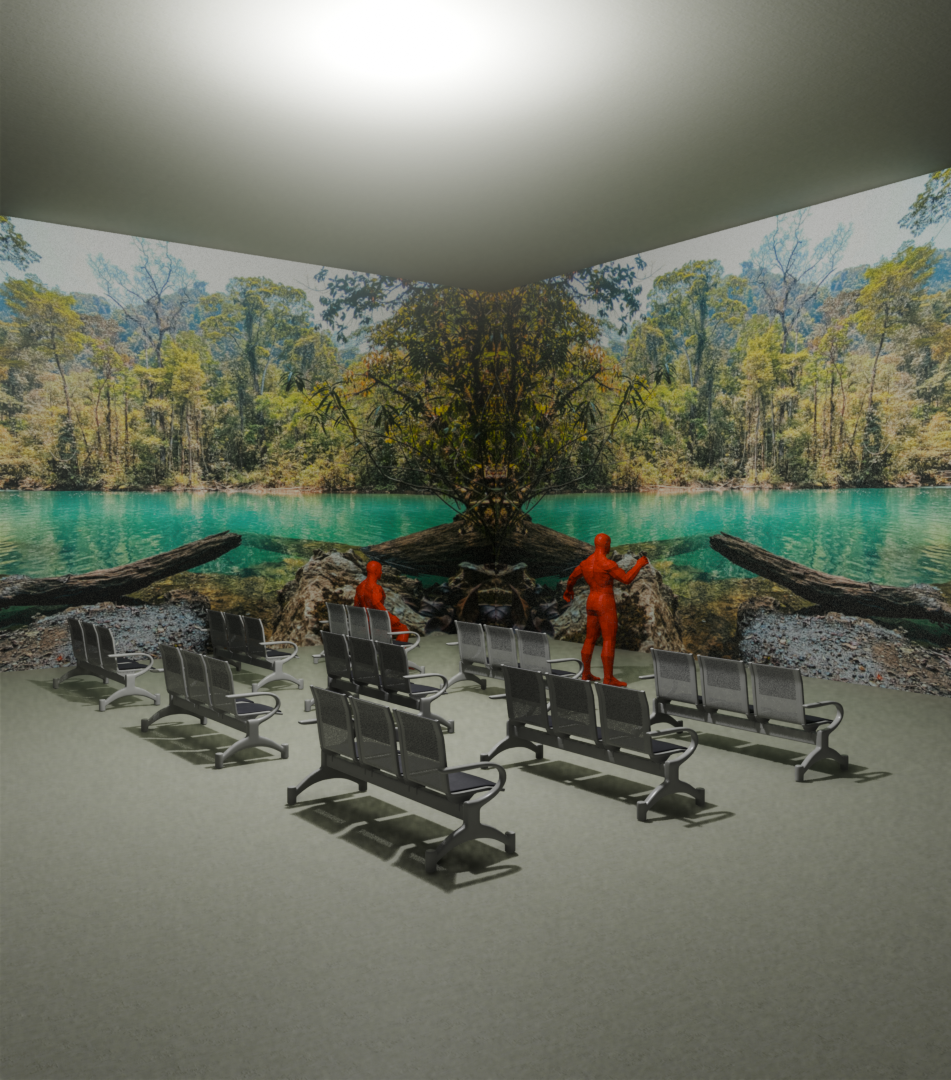
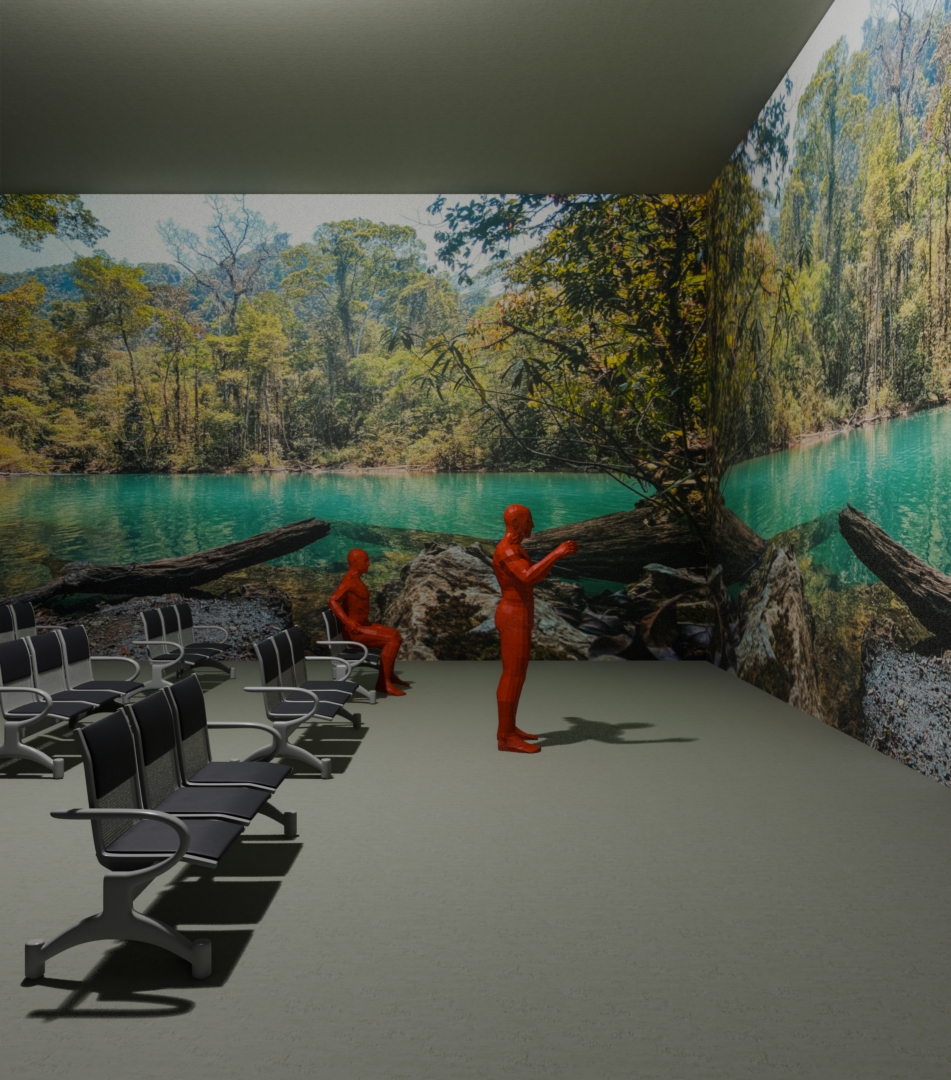
This concept is full wall and expands onto other walls. For this project, our projection will be limited to a space on one wall.
×

Powered by w3.css